%20(1)_edited.png)


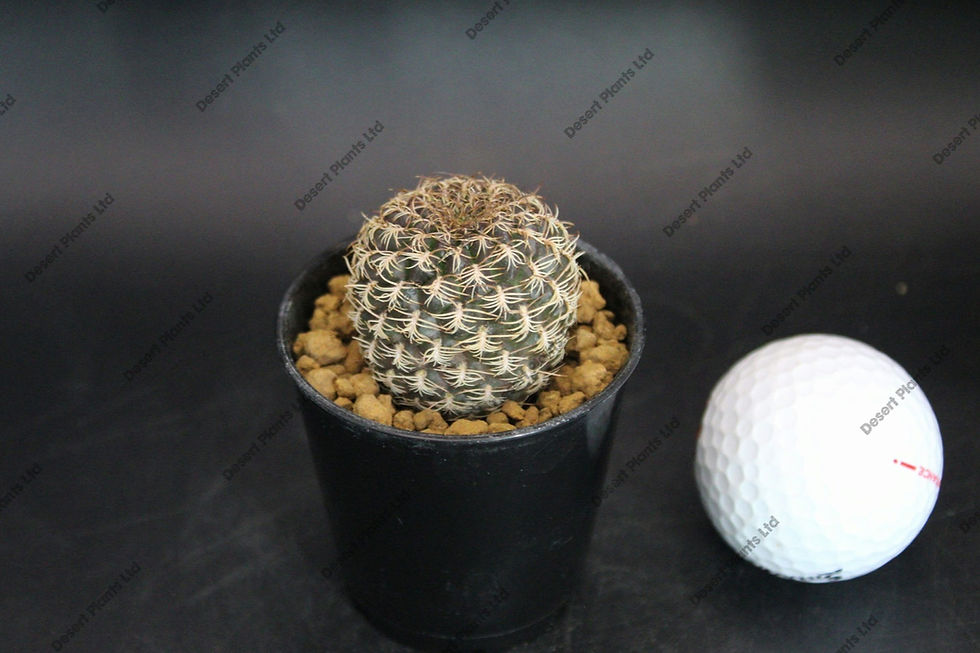
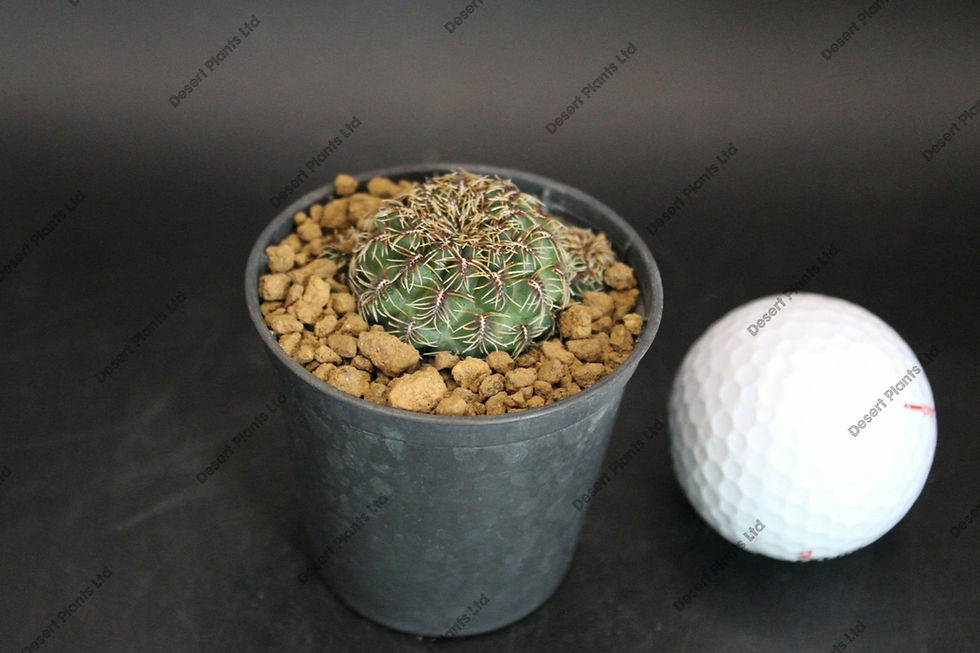
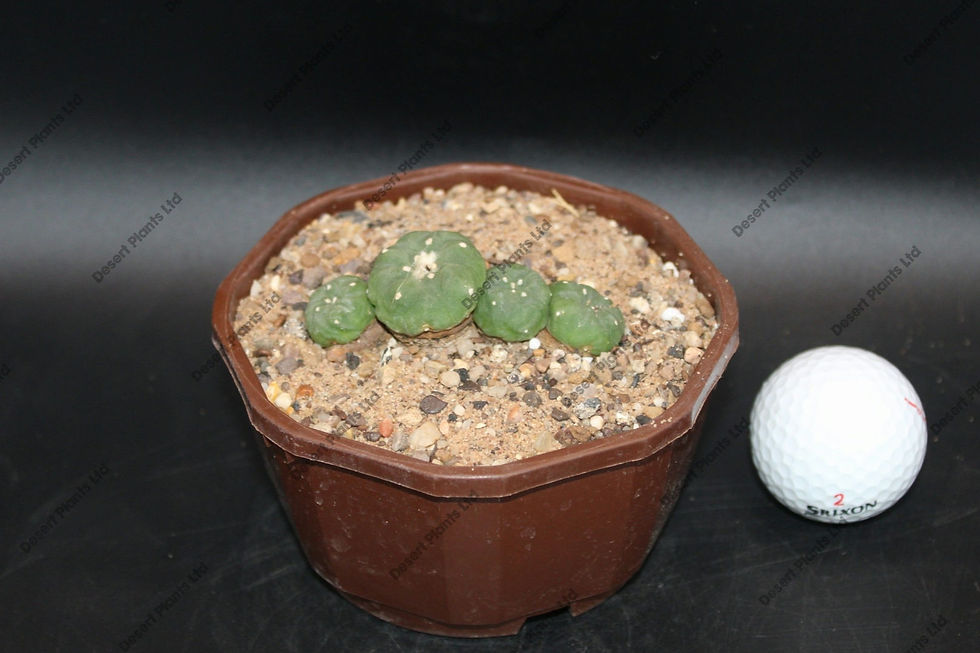
Please note: Every plant is unique, so natural variations in size, shape, and colour are part of its character and may differ slightly from the images shown. As flowering is seasonal, your plant may not be in bloom when it arrives.
Bring a splash of vibrant colour to your cactus collection with Thelocactus bicolor var. parrasensis, a beautiful and sought-after form of the iconic Glory of Texas cactus. This compact species is prized for its sculptural, ribbed body and spectacular satiny flowers, which emerge in brilliant shades of pink with a striking crimson-red throat and contrasting golden-yellow stamens.
Native to the arid regions of northern Mexico, particularly Coahuila, this slow-growing cactus develops an attractive rounded to short-columnar form with prominent ribs lined with elegant golden spines. Its architectural shape and distinctive spination make it an attractive specimen even when not in flower, while its spectacular blooms provide an unforgettable seasonal display.
Under the right conditions, mature plants can flower from spring through summer, producing large, showy blooms that can be surprisingly impressive in proportion to the plant itself. The vibrant pink petals, deep red centre, and golden-yellow stamens create a striking combination that makes this species a real standout in any collection.
Thelocactus bicolor var. parrasensis is well suited to both experienced collectors and beginners. It thrives in full sun to very bright light and should be grown in a free-draining cactus compost. Allow the soil to dry completely between waterings during the growing season, and keep the plant almost completely dry throughout winter. Protect from frost and excessive winter moisture to encourage healthy growth and reliable flowering.
With its compact solitary growth habit, distinctive golden spines, and spectacular pink and crimson flowers, Thelocactus bicolor var. parrasensis is an exceptional flowering cactus that combines striking architectural form with dazzling colour. It makes an excellent choice for pots, sunny windowsills, greenhouses, and specialist cactus or succulent collections.
Cat